
KES Discovery Series
Our year-round learning series explores recreation through three core areas. Sessions may take the form of interactive workshops, lectures, demonstrations, or outdoor field experiences. Each session will indicate its intended audience, so participants and families can choose programs that are right for them.
-
Understanding the science of the body in motion
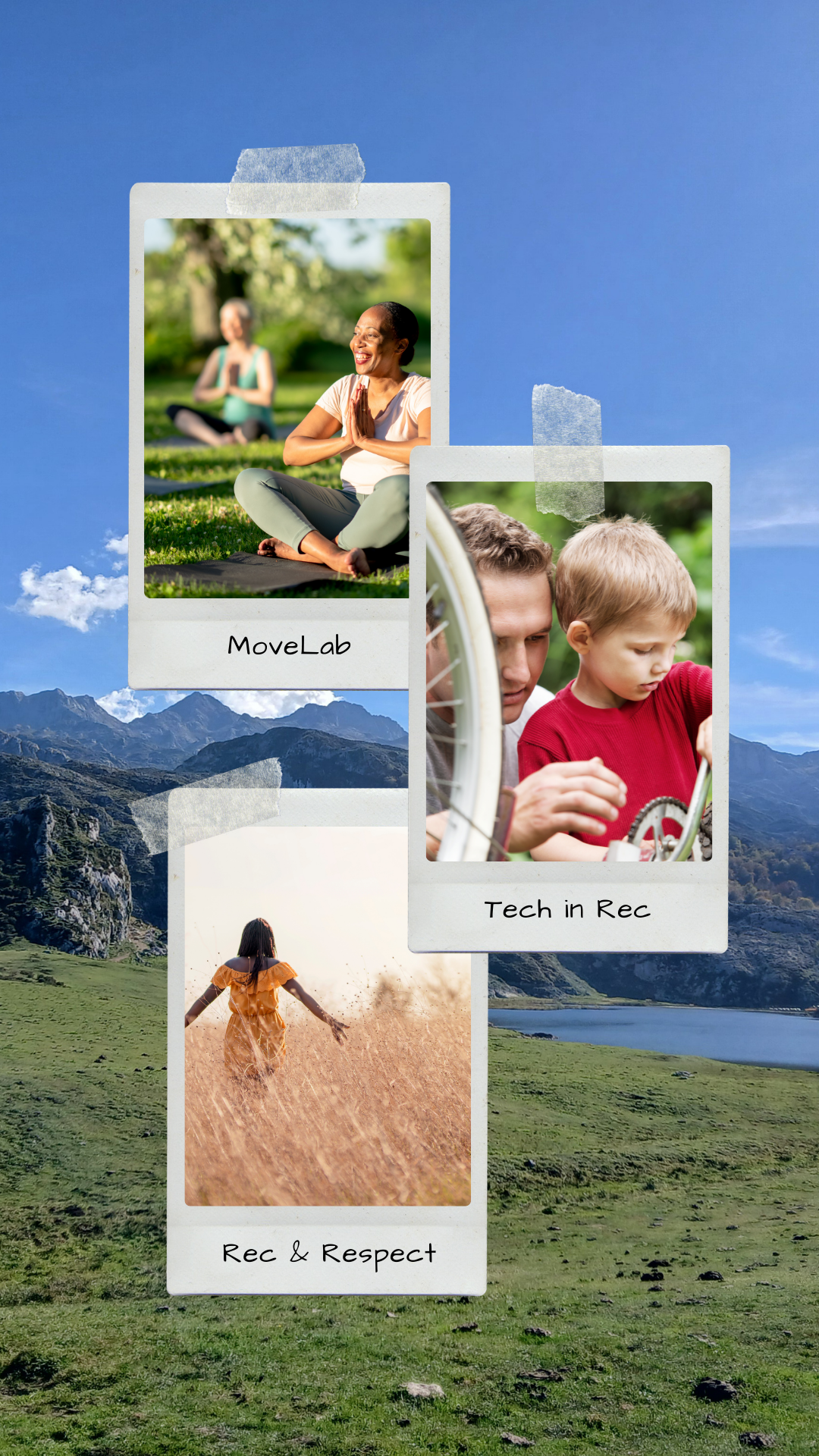
MoveLab focuses on kinesiology, nutrition, and human performance. Through a combination of demonstrations, interactive activities, and discussion, participants explore how the body moves, builds strength, and fuels itself for activity and recovery. Topics may include movement mechanics, balance and coordination, nutrition for active bodies, hydration and energy systems, injury prevention, recovery practices, and mobility. Participants develop an understanding of how to care for their bodies to move confidently, stay healthy, and remain active throughout life.
-
Exploring the technology behind recreation
Tech in Rec examines the engineering, design, and technology that support outdoor recreation and active lifestyles. Participants investigate how tools, equipment, and systems make recreation safer, more efficient, and more accessible. Sessions may explore topics such as bike gear systems and mechanics, climbing equipment and safety design, ski and snow technology, outdoor cooking systems, water filtration and purification, and the materials used in recreation gear. Participants gain insight into how innovation and engineering shape the tools that allow people to explore and enjoy the outdoors.
-
Learning to care for the places where we recreate
Rec & Respect explores environmental stewardship, sustainability, and responsible recreation. Participants learn about the natural systems that support outdoor spaces and the shared responsibility communities have to care for them. Sessions cover topics such as watershed health, soil and ecosystems, climate impacts on recreation environments, and practices like Leave No Trace that promote responsible outdoor use. Participants also examine how recreation equipment and everyday products are made, including the materials, supply chains, and environmental impacts associated with them. Indigenous perspectives on land relationships and the role people play as caretakers of place are also incorporated, helping participants develop a deeper understanding of how respect for land, resources, and community are connected.